
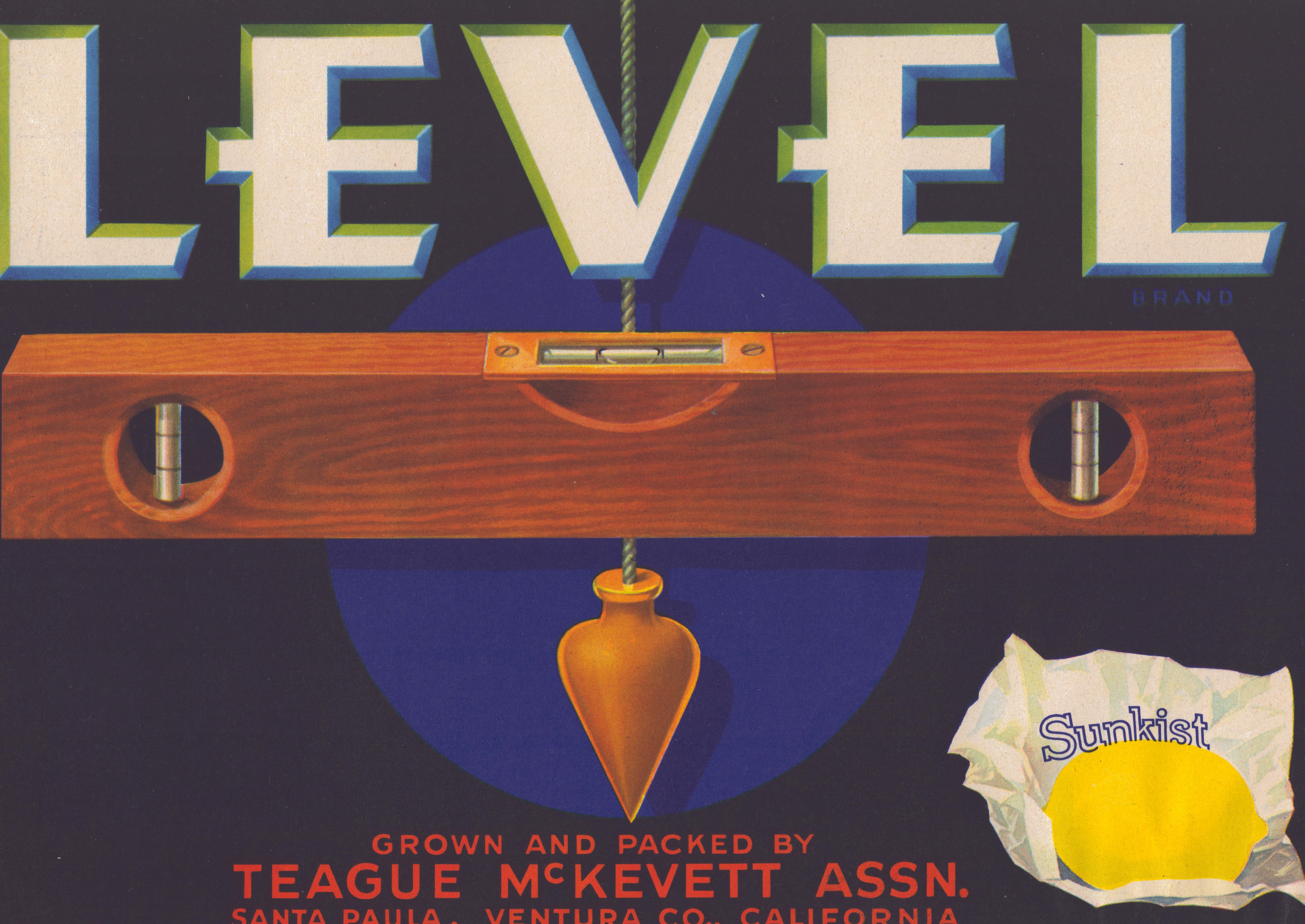
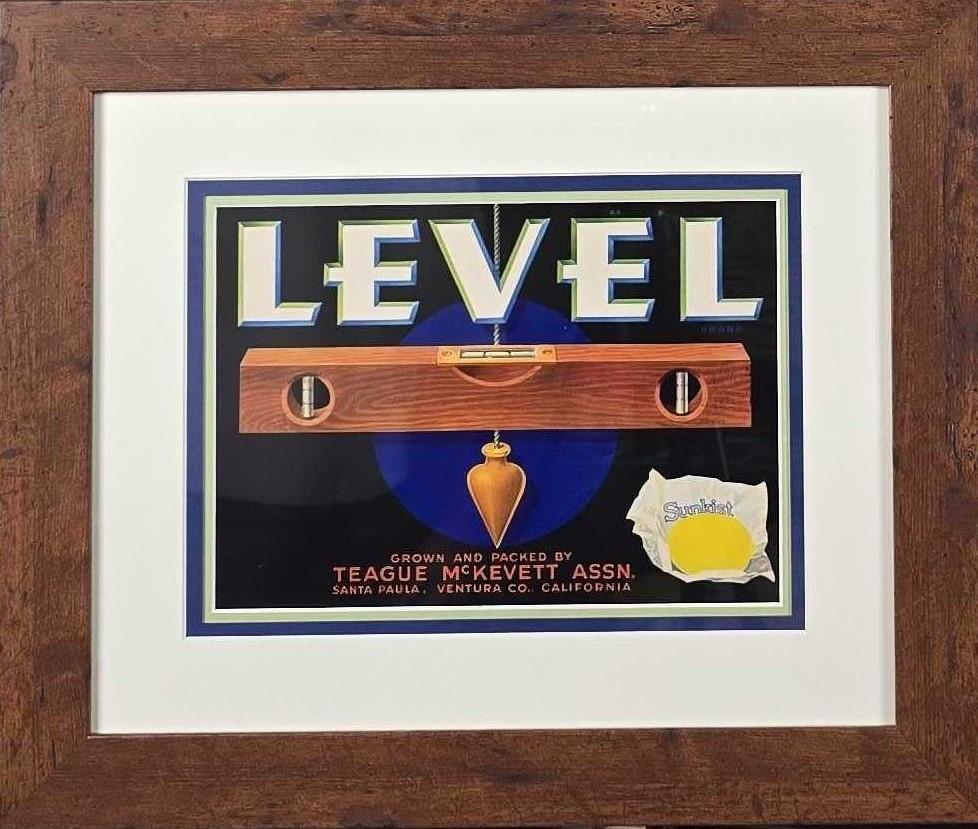
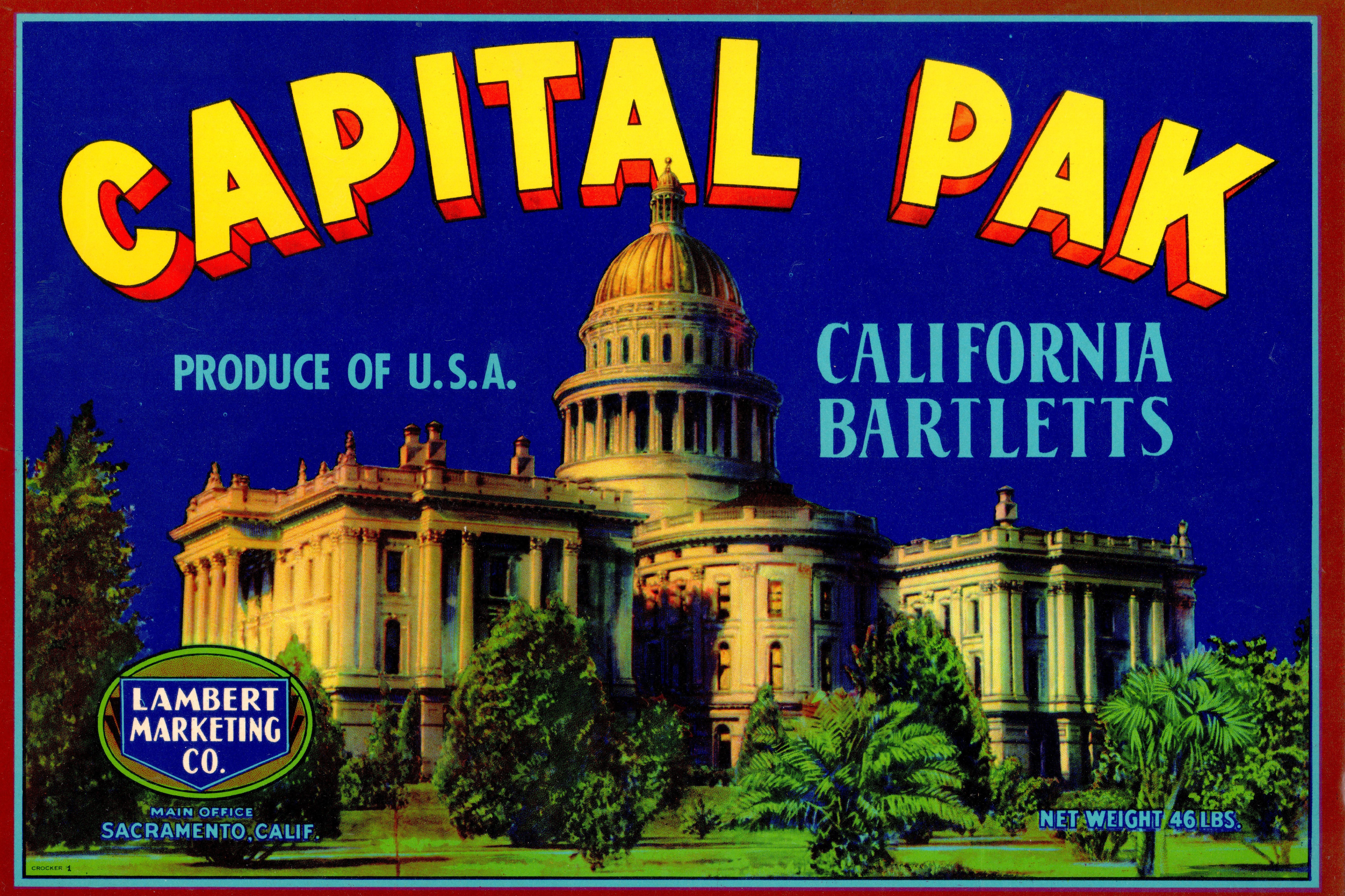
Level Brand Fruit Label c. 1930
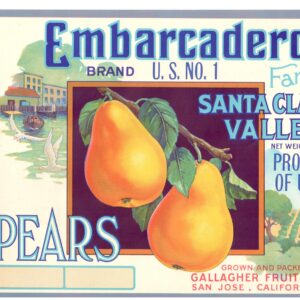
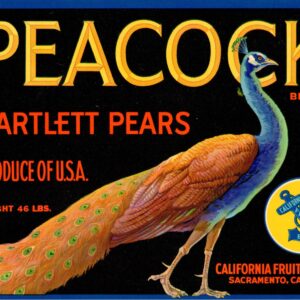
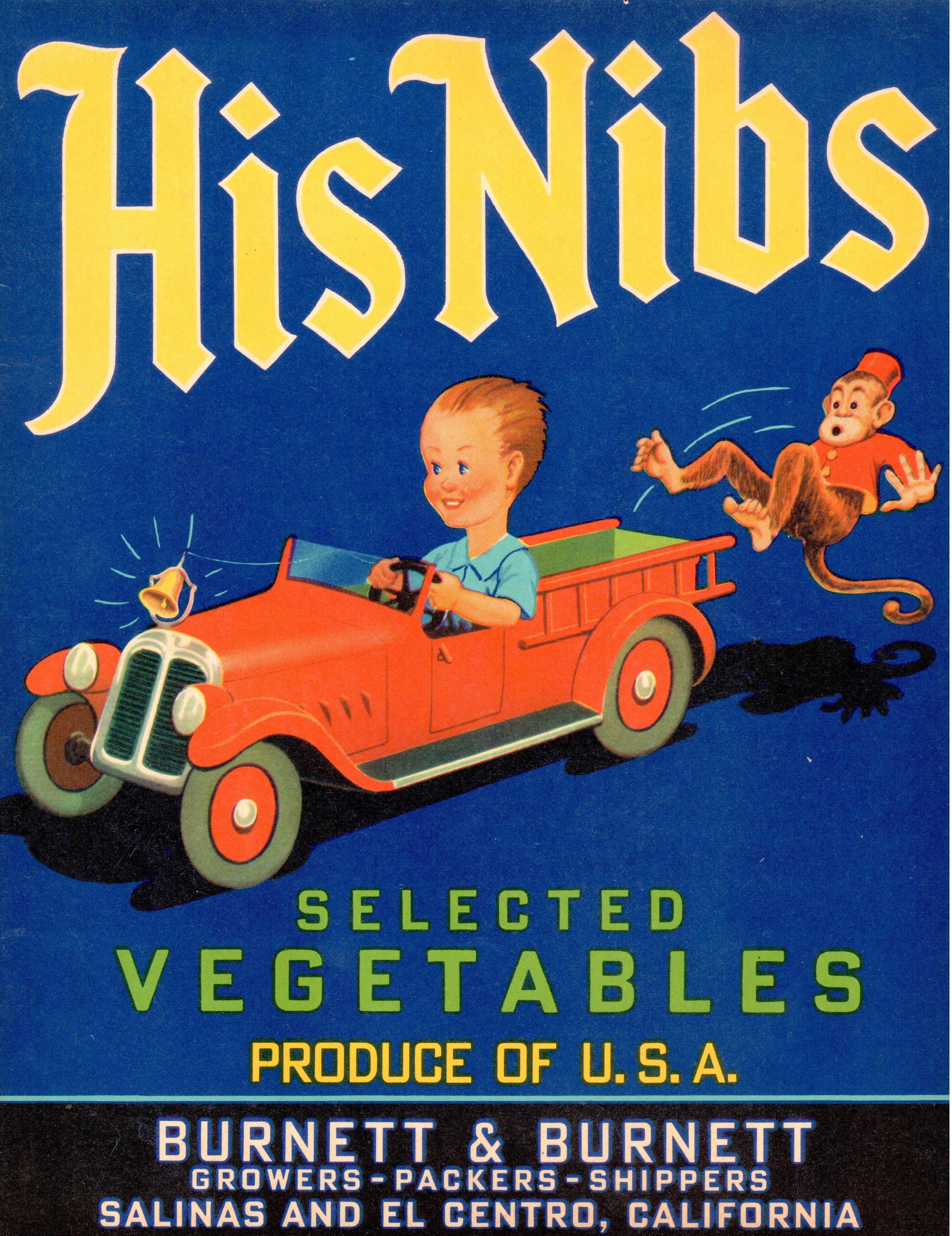
Interest in vintage fruit labels aligns with Sunkist’s pioneering use of branded labels, starting in 1908 with tissue paper wrappers stamped with the Sunkist logo. These labels, often vibrant and collectible, were critical to distinguishing Sunkist citrus from competitors and became iconic in regions like Santa Paula, where the Teague McKevett Association operated. The association, as a Sunkist member, would have used these labels to market its citrus, contributing to the brand’s visual legacy. Labels often featured the Sunkist sunburst trademark, detailed in a Citrus Label Society article, and were designed to convey quality and origin, such as “Santa Paula, Ventura County, California.” Given our focus on vintage ephemera (e.g., circus and magic posters), these labels are likely of interest for their historical and aesthetic value, often preserved in museum-quality formats.
Additional Context
Teague McKevett Association: While specific records on the association are limited, it operates as a local cooperative under Sunkist, managing citrus groves in Ventura County. Its role includes growing, packing, and labeling fruit, adhering to Sunkist’s quality standards. Santa Paula’s citrus heritage, with its ideal climate, has made it a key contributor to Sunkist’s supply chain.
Vintage Label Demand: Based on prior inquires about vintage poster art, Sunkist fruit labels are highly collectible, especially among enthusiasts in California and Northern Nevada. They appeal to collectors, interior designers, and film/TV productions seeking nostalgic aesthetics, with events like the San Francisco Vintage Paper Fair as potential venues for sourcing or selling.
Sunkist Brand History
Sunkist Growers, Incorporated, is a citrus growers’ cooperative founded in 1893 as the Southern California Fruit Exchange in Claremont, California, by P.J. Dreher and his son, Edward Dreher, to support citrus farmers during an economic depression. It expanded to represent 45% of California’s citrus industry by 1905, renaming itself the California Fruit Growers Exchange. The Sunkist trademark, introduced in 1908, was a marketing innovation suggested by the ad agency Lord & Thomas, evolving from “sun-kissed” to “Sunkist” for trademark defensibility. In 1952, the cooperative officially became Sunkist Growers, Inc., aligning its identity with the globally recognized brand. OAC University of California UC Riverside, Special Collections and Archives
The Sunkist brand became synonymous with premium citrus, particularly oranges, lemons, grapefruit, and tangerines, grown primarily in California and Arizona. Its early marketing campaigns, starting in 1907, were groundbreaking, promoting oranges as healthy and essential, shifting consumer perception from a luxury item to a daily staple. By 1909, Sunkist launched a promotional campaign offering free branded spoons for mailing in twelve Sunkist wrappers, solidifying brand loyalty and making it the world’s largest cutlery purchaser by 1910.
Key Dates
1893: Southern California Fruit Exchange founded in Claremont, California.
1905: Renamed California Fruit Growers Exchange, representing 45% of California’s citrus industry.
1907: First major advertising campaign for a perishable commodity, introducing the Sunkist name.
1908: Sunkist trademark adopted; oranges wrapped in Sunkist-branded tissue paper.
1909: Sunkist brand registered; spoon promotion launched, boosting consumer engagement.
1926: Sunkist trademark stamped directly on fresh oranges.
1952: Organization renamed Sunkist Growers, Inc.
Relationships
Sunkist operates as a cooperative of over 1,000 citrus growers in California and Arizona, including family-owned farms like those associated with the Teague McKevett Association in Santa Paula, Ventura County. The cooperative model emphasizes collaboration, with growers pooling resources for marketing, distribution, and innovation. The Teague McKevett Association, a regional citrus cooperative, has been a key member of Sunkist, contributing to its supply chain by growing and packing high-quality citrus under the Sunkist brand. Santa Paula, located in Ventura County, is a historic citrus hub, and the association’s involvement reflects Sunkist’s reliance on multi-generational family farms for its premium produce.
Sunkist’s relationships extend beyond growers to include licensing partners. In 1979, Sunkist licensed its name to General Cinema Corporation for Sunkist Soda, now owned by Keurig Dr Pepper, demonstrating its strategy to diversify revenue while maintaining brand integrity. The Sunkist Family Stories project, launched to highlight growers’ legacies, underscores the cooperative’s commitment to its members, including farms like Teague McKevett, by sharing their stories through multimedia campaigns.
Sunkist’s Broader Impact: The cooperative’s innovations, like the Fruit Growers Supply Company (1907) for wholesale supplies and the Exchange By-Products Company for citrus by-products (e.g., citric acid, orange oil), highlight its holistic approach to supporting growers like Teague McKevett.
Sources
Information is drawn from web sources, including Sunkist’s official site, Wikipedia, and industry publications, ensuring accuracy and relevance. https://en.wikipedia.org/wiki/Sunkist_Growers%2C_Incorporated)
https://m.andnowuknow.com/quick-dish/snack-feature-sunkist-rich-family-history/45242
Reviews
There are no reviews yet.