The Great Pan American Zoological Exhibition – c. 1947
History
The “Great Pan-American Zoological Exhibition” was a traveling menagerie and circus-style show that operated in the late 19th to early 20th century, epitomizing the era’s itinerant animal spectacles that brought exotic wildlife to rural and small-town America. Emerging around 1890–1900, it was part of a wave of “zoological exhibitions” inspired by P.T. Barnum’s menageries and the 1876 Philadelphia Centennial Exposition’s animal displays, which popularized live imports from Africa, Asia, and South America as symbols of imperial progress. The show toured U.S. Midwest and Northeast routes via rail cars, stopping at county fairs, town squares, and temporary lots for 1–2 day stands, featuring 50–100 animals (e.g., elephants, lions, giraffes, and monkeys) in parades and cages, augmented by sideshows, brass bands, and minimal acrobatics. Billed as “Pan-American” to evoke hemispheric unity amid the 1901 Buffalo Pan-American Exposition’s influence, it highlighted “New World” novelties like jaguars and llamas alongside Old World staples, drawing 1,000–5,000 spectators per performance at 25–50¢ admissions.
The window card variant, a smaller format for shop displays, promoted specific 1901–1902 tours coinciding with the Buffalo Expo, where the Smithsonian’s National Zoological Park (NZP) contributed specimens and exhibits to the fair’s ethnological and animal sections. Correspondence in Smithsonian archives details NZP’s involvement, including loaned birds and mammals for the Expo’s “Varied Industries” building, reflecting the era’s blend of education and entertainment. Challenges included animal transport hardships (overcrowded cars leading to deaths) and ethical critiques from early conservationists like William T. Hornaday. The exhibition folded by 1910 amid rising rail costs and cinema competition, with assets auctioned to larger shows like Ringling Bros., marking the transition from menageries to integrated circuses.
Design
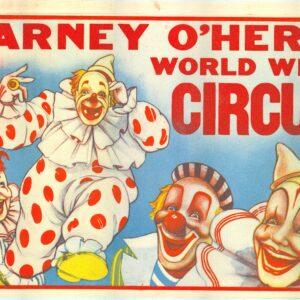
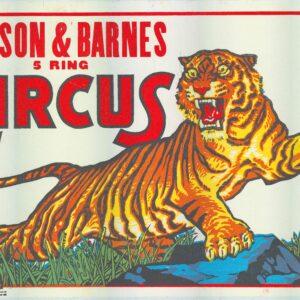
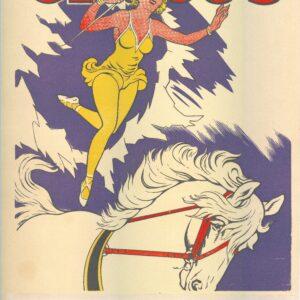
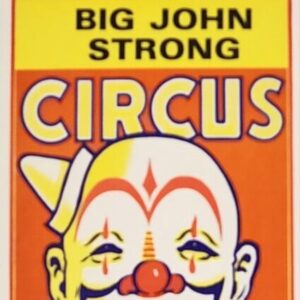
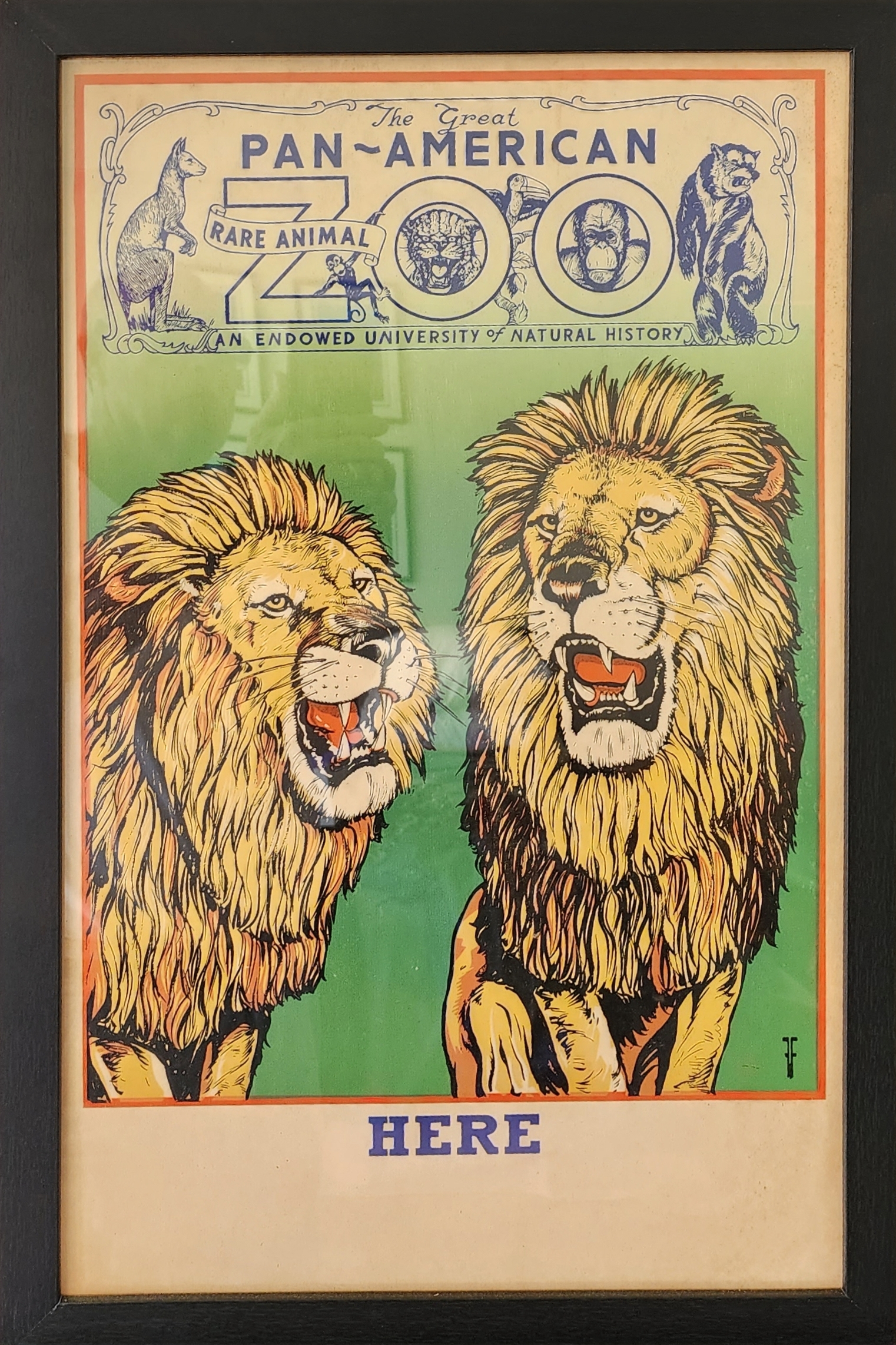
The “Great Pan-American Zoological Exhibition” window card, printed ca. 1901 by regional lithographers like the Courier Lith. Co. (Buffalo, NY) or Strobridge & Co. (Cincinnati), captured the chromolithographic exuberance of turn-of-the-century advertising, optimized for indoor window postings to entice urban passersby with promises of continental marvels. Measuring typically 11×17 inches (standard window card size) on cardstock for tackability, it radiated in primaries—ochre yellows for savanna suns, emerald greens for jungle foliage, fiery reds for big cat roars, and indigo blues for equatorial nights—against a bordered frame mimicking ornate Expo pavilions. Central vignettes teemed with exotic overload: a towering giraffe neck silhouetted against acacia trees, flanked by prowling lions, perching parrots, and marching elephants with mahouts, all converging on a striped menagerie tent emblazoned with “PAN-AMERICAN ZOOLOGICAL EXHIBITION” in arched, gold-leafed sans-serif letters; subtle hemispheric motifs (e.g., eagle and condor icons) nodded to Expo themes.
Typography layered hierarchy: bold block headlines in 2-inch caps proclaimed “THE GREAT PAN-AMERICAN ZOOLOGICAL EXHIBITION – 100 WILD BEASTS FROM EVERY CLIME!” in crimson-outlined yellow, trailed by script flourishes like “See the Royal Bengal Tiger! The Giant Anaconda!” and a bottom panel for local dates (e.g., “Buffalo, NY – June 15”). Influenced by Expo posters (e.g., Niagara Falls chromos), the design fused realism (detailed pelts via Ben Day dots) with hyperbole (oversized beasts dwarfing handlers), its tack holes, edge chips, and minor foxing evoking shop-window wear. This compact, jewel-box style democratized spectacle, bridging fairground billboards with urban commerce.
Cultural Significance
The “Great Pan-American Zoological Exhibition” window card embodied the Progressive Era’s fusion of science, empire, and showmanship—a pocket portal to global dominion that transported Gilded Age Americans from factory drudgery to imagined frontiers, romanticizing “Pan-American” harmony amid U.S. expansionism (e.g., post-Spanish-American War). In 1901, as the Buffalo Expo celebrated hemispheric ties with electric grandeur, the card’s menagerie evoked aspirational exoticism: beasts as trophies of progress, symbolizing mastery over nature for immigrant waves and rural folk mingling at lot-side parades. As vernacular artifact, it perpetuated “edutainment”—blending NZP-style zoology with Barnum hype—influencing World’s Fair dioramas and early films (The Lost World, 1925), while glossing colonial extraction (animals poached via expeditions). Critiques from figures like Hornaday highlighted cruelty, foreshadowing 1920s welfare laws. Today, amid decolonial zoo reforms, it sparks reflection on spectacle’s shadows—appropriation versus awe—inspiring ethical exhibits like the Smithsonian’s current biodiversity halls and pop nods in Fantastic Beasts.
Production and the Company Behind It
The Great Pan-American Zoological Exhibition was produced by a loose proprietorship of promoters like the Van Amburgh family (menagerie pioneers since 1847) or independent showmen tied to Buffalo’s 1901 fair circuit, operating from temporary rail yards with winter quarters in upstate NY or PA. Logistics centered on 10–15 flatcars hauling 50 cages and a canvas annex seating 500–1,000, with a 5–7 act program: noon parades, feeding demos, and evening shows under lantern light, budgeted at $5,000–$10,000 seasonally offset by concessions. Animals, sourced from African/Asian brokers via steamers, received basic hay-and-water care; Smithsonian loans (e.g., 1901 birds) added prestige. Window cards printed in 200–500 runs by Expo-affiliated lithos like Courier (using multi-stone chromo for color depth) were distributed by advance agents for window tacks 1–2 weeks pre-arrival, customized with venue stamps. This variant targeted city merchants for foot traffic, with Expo tie-ins boosting 20% attendance; post-fair, the show splintered into regional mud ops.
Relevant Archival Sources and Modern Interest in Such Labels
Archival Sources:
- Smithsonian Institution Archives (Washington, DC): Record Unit 000074 (National Zoological Park Records, 1887–1966) includes Folder 5 on “Exhibits and Expositions,” with 1901–1902 correspondence on NZP’s Pan-American Expo participation, specimen loans, and menagerie integrations; digitized portions detail animal shipments.
- Buffalo History Museum (Buffalo, NY): Pan-American Exposition Collection holds ephemera like window cards, programs, and photos of zoological displays; searchable for “Varied Industries” building exhibits tying to traveling shows.
- Library of Congress Prints & Photographs Division (Washington, DC): World’s Fair Poster Collection (ca. 1880–1915) features Pan-Am analogs, including menagerie broadsides; folklife holdings on itinerant exhibitions.
- American Museum of Natural History Research Library (New York, NY): Central Archives (370,000+ items) preserve expedition records and Expo-related diorama precursors, with zoological ephemera from 1901 fair collaborations.


Reviews
There are no reviews yet.